
Hey there! As a frozen dough supplier, I've seen my fair share of situations where folks over - defrost their frozen dough. And let me tell you, it's not always a walk in the park.


So, what exactly happens if you over - defrost frozen dough? Well, first off, the texture of the dough takes a major hit. When dough is frozen, the water inside it turns into ice crystals. These ice crystals help to preserve the structure of the dough. But when you over - defrost, those ice crystals melt, and the water starts to seep out. This can make the dough extremely sticky and difficult to handle. You might find that it just won't hold its shape, and it becomes a real mess to work with.
Another issue is the yeast activity. Yeast is a living organism, and it's responsible for making the dough rise. In a frozen state, the yeast is dormant. But as the dough defrosts, the yeast wakes up and starts to do its thing. If you over - defrost, the yeast can go into overdrive. It will consume all the available sugars in the dough too quickly, and this can lead to over - fermentation. When that happens, the dough will have a sour taste and a strange, puffy appearance. It might even collapse in the oven because the structure has been weakened by the over - active yeast.
Over - defrosted dough also has a shorter shelf - life. Once the dough has been over - defrosted, it's more susceptible to spoilage. Bacteria and other microorganisms can start to grow on the dough much faster than normal. This means that if you don't use the dough right away, it could go bad, and you'll end up wasting your money.
Now, let's talk about some of the products in our frozen dough line. We've got some really great options, like the Coconut Candy Strips. These are a delicious treat, with a sweet coconut flavor and a nice, flaky texture. But if you over - defrost them, you'll lose that perfect texture. The coconut might become soggy, and the dough won't hold its shape as well.
Then there's the Danish Cereal. This is a unique product that combines the goodness of cereal with the deliciousness of Danish pastry. But over - defrosting can cause the cereal to get mushy, and the dough might not rise properly. You won't get that nice, light and airy texture that makes this product so great.
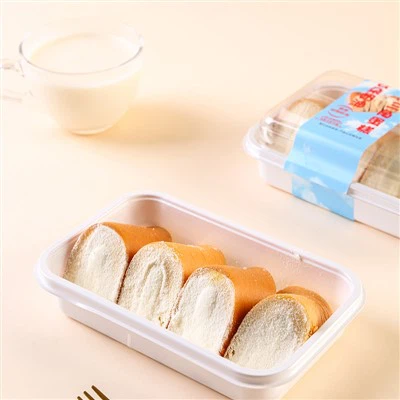
And don't forget about the Cream Horn Bread. This is a classic pastry that's filled with a rich, creamy filling. Over - defrosting can make the dough too soft, and it might not be able to hold the filling properly. The result is a messy, unappetizing pastry.
So, how can you avoid over - defrosting your frozen dough? Well, the key is to follow the defrosting instructions carefully. Most of our products come with clear instructions on how to defrost them properly. Usually, it's best to defrost the dough in the refrigerator overnight. This slow defrosting process allows the dough to thaw evenly, without causing any of the problems we've talked about.
If you're in a hurry, you can also defrost the dough at room temperature. But you need to keep a close eye on it. Check it every 30 minutes or so to make sure it's not over - defrosting. And once it's defrosted, use it right away.
As a frozen dough supplier, I know how important it is to get the most out of our products. That's why I'm sharing this information with you. We want you to have the best experience possible when using our frozen dough.
If you're interested in our frozen dough products, whether it's the Coconut Candy Strips, the Danish Cereal, or the Cream Horn Bread, we'd love to talk to you. We offer high - quality frozen dough that's perfect for bakeries, cafes, and even home bakers. Contact us to discuss your specific needs and to start a procurement discussion. We're here to help you make the most of our products and to ensure that you're satisfied with your purchase.
References:
- General knowledge on dough science and baking principles.
- Experience as a frozen dough supplier.